

Wet life jackets stored in closed boat compartments can quickly develop stubborn odors. Learn how to dry, clean and store marine gear correctly.
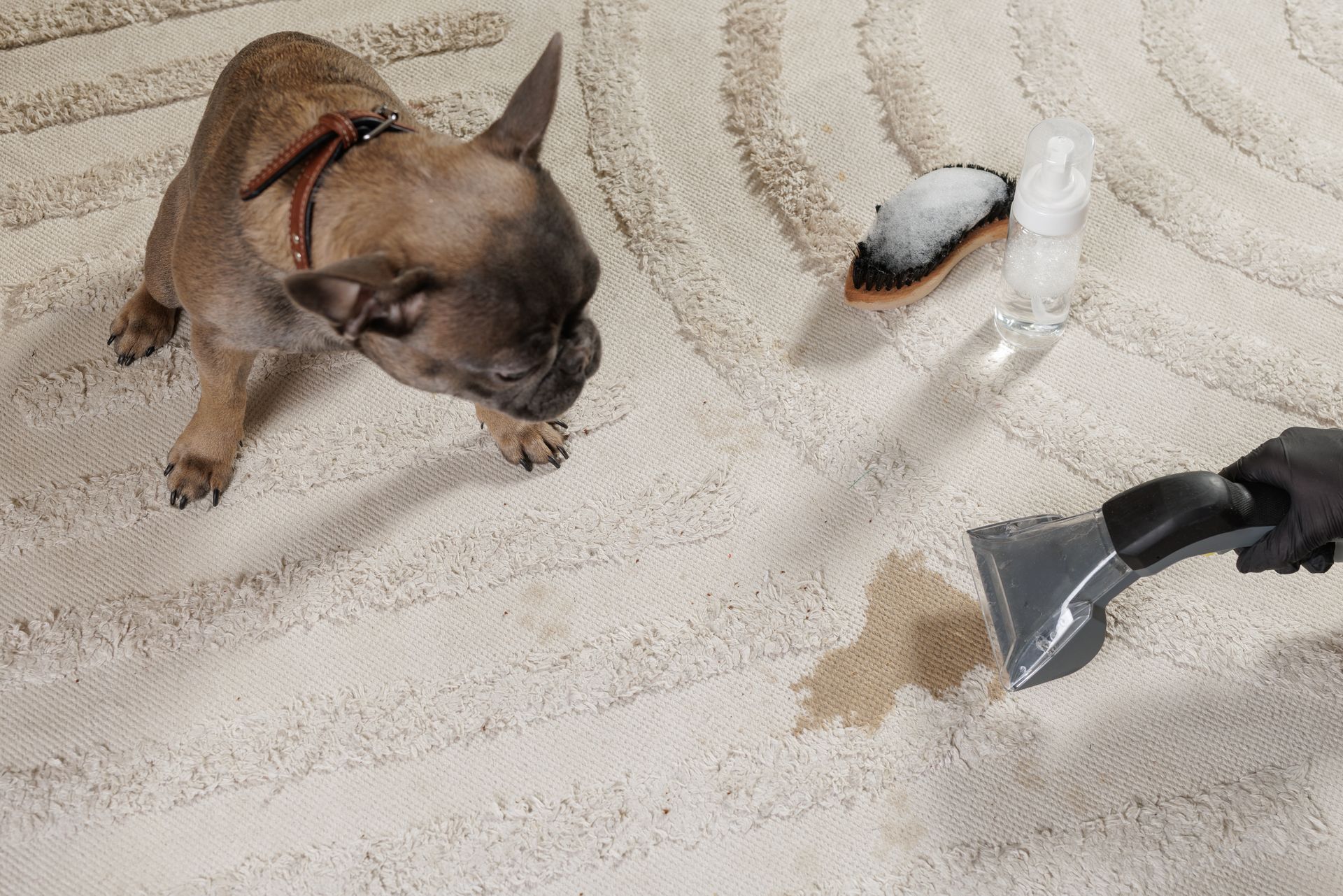
You aren’t imagining it. High humidity can reactivate odor trapped inside carpet padding, subfloors, drywall, crawlspaces, furniture, and other porous materials. That is why an odor may seem gone—then suddenly return after a rainy or humid day. Air fresheners only cover the warning sign. Real odor removal requires: ✅ Finding the source ✅ Treating contaminated materials ✅ Neutralizing odor below the surface ✅ Addressing moisture that may be feeding the problem At No Scents, we don’t believe your home should simply smell different. It should smell clean because the source of the odor has been handled. We specialize in difficult odors caused by: 🐾 Pet urine 🚬 Smoke 💧 Water damage and mustiness 🍳 Cooking and refrigerator odors 🏠 Vacant or rental properties 🚗 Vehicles, boats, and RVs If an odor keeps returning, it’s still trying to tell you something. 📞 Contact No Scents for professional odor identification and removal throughout North Carolina. Don’t cover it. Remove it. #NoScents #OdorRemoval #PetOdorRemoval #SmokeOdor #MustySmell #IndoorAirQuality #NorthCarolinaBusiness
You cleaned the carpet. You washed the walls. You sprayed deodorizer. The house smelled better. Then two days later… the odor came back. At No Scents Odor Removal , this is one of the most common odor problems we encounter. And there’s a reason it happens:
One of the biggest misconceptions about odor removal is that a stronger fragrance means a cleaner home. It doesn’t. At No Scents , we approach odor differently: We don’t want to overpower the bad smell. We want to find out what is creating it. There is a huge difference between odor masking and odor removal. Think about some of the toughest odors we encounter: 🐕 Pet urine 🚬 Cigarette and smoke odors 🦨 Skunk odors 💧 Musty and water-related odors 🗑️ Trash and decomposition odors 🥩 Spoiled refrigerator and freezer odors 🏠 Rental-property and move-out odors 🚗 Vehicle and equipment odors Air freshener might make the room smell different temporarily. But what happens when the fragrance disappears? The original odor comes right back. 🧪 ODOR IS A CHEMISTRY PROBLEM Different odors require different solutions. Pet urine isn’t treated exactly like smoke. Smoke isn’t treated exactly like a spoiled refrigerator. And a musty crawlspace isn’t treated exactly like a vehicle that has absorbed years of odor. That’s why professional odor removal starts with identifying the source, material affected and type of contamination. Then we determine the appropriate treatment. Depending on the situation, that can include cleaning, extraction, specialized chemistry, source treatment and advanced oxidation methods such as chlorine dioxide (ClO₂). ━━━━━━━━━━━━━━ 🧊 SOMETIMES REPLACEMENT ISN’T THE ANSWER Here’s one of our favorite examples. A refrigerator or freezer loses power. Food spoils. Everything gets cleaned out—but the smell remains. At that point, many people assume the appliance is ruined. We’ve treated refrigerators worth thousands of dollars for a fraction of their replacement cost. When the conditions are appropriate and the odor source can be treated, we’ve seen incredible results. That’s why we always believe it’s worth asking: Can we save it before we replace it? ━━━━━━━━━━━━━━ 🏠 THE SAME PRINCIPLE APPLIES TO PROPERTY Carpet. Furniture. Vehicles. HVAC-related odor situations. Apartments. Rental homes. Boats. Garages. Commercial buildings. Odor molecules don’t care whether something is expensive to replace. Our job is to determine whether we can eliminate the source and save the material or property. ━━━━━━━━━━━━━━ 🎯 OUR GOAL ISN’T TO MAKE YOUR HOME SMELL LIKE SOMETHING. Our goal is to make the bad smell disappear. That’s why we’re called No Scents. No perfume battle. No covering one smell with another. Find the source. Treat the source. Remove the odor. Serving homeowners, property managers, contractors and businesses throughout North Carolina and the Southeast. If you’ve been told something has to be replaced because of an odor, contact us before you throw it away. There may be another option. NO SCENTS Advanced Odor Removal #NoScents #OdorRemoval #OdorRemovalNC #ChlorineDioxide #ClO2 #PetOdor #SmokeOdor #RefrigeratorOdor #PropertyManagement #MooresvilleNC #LakeNorman #CharlotteNC #RaleighNC
You cleaned it. You sprayed it. You opened the windows. Maybe you even bought one of those products that promised to “eliminate odors.” For a few days, everything smelled great. Then… THE ODOR CAME BACK. 🤢 Here’s why. 👉 You may have treated the smell without treating the source. Odor molecules can originate from contamination hidden in places you can’t easily see: 🐕 Urine underneath carpet and padding 🚬 Smoke residue on walls, ceilings and contents 🗑️ Organic material inside trash containers 🚗 Odors absorbed into vehicle interiors 🏠 Musty material in enclosed spaces ❄️ Spoiled-food contamination inside refrigerators 🛋️ Odors trapped in upholstery and porous materials 🌬️ Contamination affecting HVAC components or surrounding surfaces Simply making the air smell better doesn’t necessarily eliminate what’s producing the odor. That’s the difference between MASKING an odor and REMOVING an odor. ━━━━━━━━━━━━━━ 🧪 THE NO SCENTS APPROACH We look at odor problems differently. 1️⃣ FIND THE SOURCE Before treating the air, determine what’s actually producing the odor. 2️⃣ REMOVE WHAT CAN BE REMOVED Cleaning and physical removal should come first whenever possible. 3️⃣ TREAT WHAT CAN’T BE REMOVED Some odor contamination penetrates materials or exists in areas traditional cleaning can’t easily reach. That’s where specialized odor-removal processes may be appropriate. 4️⃣ TREAT THE ENVIRONMENT For certain severe odor situations, professional oxidation treatments can help address odor molecules remaining throughout an enclosed space. ━━━━━━━━━━━━━━ ⚠️ Here’s something important: If the source is still producing odor, spraying fragrance into the room isn’t fixing the problem. You’re putting one smell on top of another. At NO SCENTS , our philosophy is simple: 🚫 We don’t want your house to smell like lemons. 🚫 We don’t want it to smell like flowers. 🚫 We don’t want it to smell like “clean linen.” WE WANT IT TO SMELL LIKE NOTHING. Because sometimes… NO SCENT IS THE BEST SCENT.™ 🏠 Homes 🏢 Apartments & rental properties 🚗 Vehicles 🚤 Boats ❄️ Refrigerators 🐕 Pet odor 🚬 Smoke odor 🗑️ Severe organic odors 🌬️ Difficult enclosed-space odors If you’ve got an odor that keeps coming back , there’s probably a reason. And finding that reason is where real odor removal begins. 🌐 noscentsodor.com 💬 TOMORROW’S NO SCENTS ODOR FACT: Why ozone, hydroxyl and chlorine dioxide aren’t the same thing — and why choosing the right treatment matters. #NoScents #OdorRemoval #OdorElimination #PetOdor #SmokeOdor #ChlorineDioxide #OdorControl #NorthCarolina #PropertyManagement #HomeTips #OdorScience
“If I can’t smell it anymore, the odor is gone.”
If you can still smell it… it’s still there. One of the biggest misconceptions we see is that if a room smells better after using an air freshener, candle, or odor bomb, the odor has been “removed.” It hasn’t. In many cases, it’s simply being covered up. At No Scents, we approach odors differently. Before we recommend any treatment, we ask: ✔️ Where is the odor actually coming from? ✔️ Is it in the carpet? ✔️ The carpet pad? ✔️ Drywall? ✔️ HVAC system? ✔️ Furniture? ✔️ Crawlspace? ✔️ Refrigerator? ✔️ Vehicle interior? Until the source is identified, the smell often comes back. That’s why simply spraying fragrances or using store-bought odor eliminators frequently leads to frustration. The goal isn’t to make an odor harder to notice. The goal is to eliminate the source. Over the next several months, we’ll be sharing professional insights into: Pet urine Smoke odors Boat and RV odors Mold and musty smells Refrigerator odors HVAC odors Commercial odor problems The science behind professional odor removal Our mission is simple: To become North Carolina’s most trusted source for odor removal knowledge—not just another odor removal company. If you’ve ever struggled with an odor that just keeps coming back, leave a comment below. We may use your question in a future educational post. #OdorRemoval #IndoorAirQuality #PetOdor #SmokeOdor #MustyBasement #ProfessionalCleaning #NorthCarolina #NoScents #OdorScience #AskNoScents
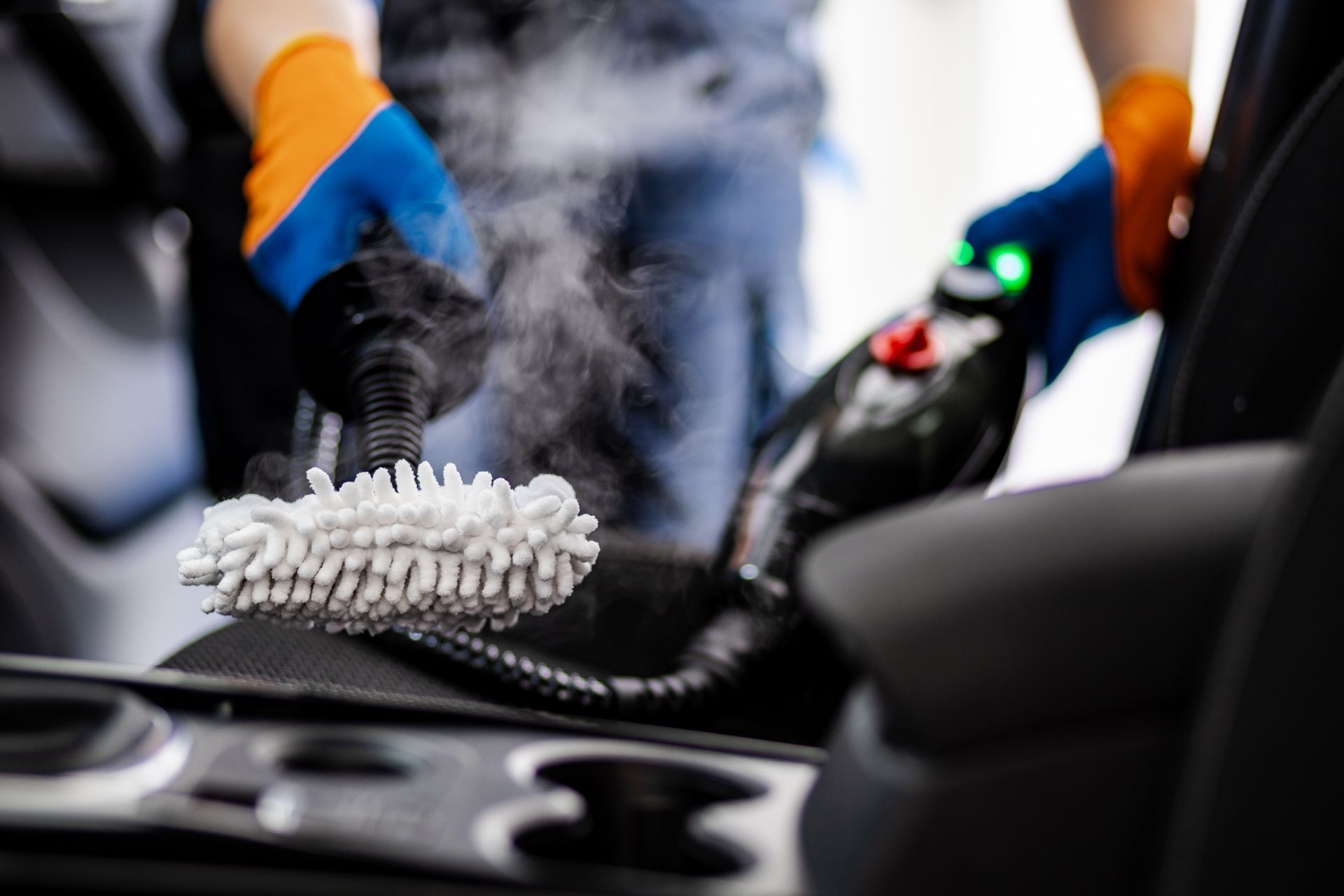
The Science Behind Permanent Odor Removal Have you ever cleaned your house, sprayed an air freshener, lit a candle, and thought the smell was gone… Only to walk back inside a few hours later and realize it had returned? You’re not imagining things. The truth is that most odors are never actually removed. They’re simply covered up. At No Scents Odor, we specialize in permanent odor elimination by targeting the source of the odor—not by masking it with fragrances. Understanding why odors return can help homeowners, property managers, vehicle owners, boat owners, and business owners solve odor problems the right way the first time. ──────── What Causes Odors? Every odor starts with microscopic molecules. These molecules come from countless sources, including: Pet urine Cigarette smoke Mold and mildew Water damage Cooking grease Fire damage Decaying organic material Bacteria Food spills Sewage backups Damp crawlspaces Garbage Boats and RVs HVAC systems Once these odor molecules are released, they don’t simply stay in the air. They begin attaching themselves to nearly every surface around them. ──────── Odors Don’t Stay in the Air This is the biggest misconception people have. Odors become absorbed into: Carpet Carpet padding Drywall Wood Upholstery Curtains Clothing Mattresses Insulation HVAC ductwork Vehicle interiors Boat cushions Cabinets The longer the odor remains, the deeper it penetrates. This is why a home can smell clean immediately after being sprayed with deodorizer but smell bad again the next day. The odor source never left. ──────── Air Fresheners Don’t Remove Odors Air fresheners work by introducing stronger fragrances into the air. Instead of eliminating odor molecules, they attempt to overpower them. Think of it this way. If someone spilled spoiled milk in your refrigerator, would adding a vanilla candle fix the problem? Of course not. The source would still be there. The same principle applies to pet odors, cigarette smoke, mildew, and smoke damage. Masking is temporary. Elimination is permanent. ──────── What Does Professional Odor Removal Actually Do? Professional odor removal focuses on destroying or neutralizing odor molecules instead of covering them up. Depending on the situation, professional odor elimination may involve: Source removal Deep cleaning Moisture correction Surface treatment Oxidation technology Specialized deodorization methods Air treatment HVAC odor treatment Every odor problem is different. That’s why professional inspection is so important. ──────── Why Chlorine Dioxide Is So Effective for Odor Elimination One of the most advanced technologies available for severe odor removal is chlorine dioxide (ClO₂). Unlike perfumes or masking agents, chlorine dioxide reacts with many odor-causing compounds through oxidation, helping neutralize them at the molecular level rather than simply covering them up. It can also penetrate areas that are difficult to reach with traditional cleaning methods. (Hazwash) Professional chlorine dioxide treatments are commonly used for challenging odor situations involving: Smoke damage Fire restoration Heavy pet odors Mold-related odors Water damage Vehicles Boats RVs Vacant homes Rental properties Because chlorine dioxide treatments require proper preparation and ventilation, they should be performed according to manufacturer instructions and safety guidelines. People, pets, and plants should not occupy the treatment area during gas-phase treatments. (CDC) ──────── Common Odor Problems We Solve Our odor specialists regularly help eliminate: Pet Urine Odors Urine can soak through carpet into the pad, subfloor, and even wall framing. Unless the source is treated, the smell often returns. ──────── Cigarette Smoke Smoke particles attach to walls, ceilings, insulation, furniture, HVAC systems, and flooring. Surface cleaning alone often isn’t enough. ──────── Mold & Musty Smells Moisture allows odor-producing microorganisms to thrive. The moisture issue must be corrected while the odor source is treated. ──────── Vehicle Odors Cars and trucks commonly retain odors from: Smoke Pets Spilled food Mold Flood damage Professional odor treatments can often restore interiors that seem impossible to save. ──────── Boat & RV Odors Marine environments constantly battle humidity. Storage compartments, upholstery, carpeting, refrigerators, holding tanks, and cabins are common odor sources. ──────── Why Finding the Source Is More Important Than Treating the Smell At No Scents Odor, we believe the most important step isn’t applying products. It’s finding the source. Sometimes the odor isn’t where people think it is. We’ve discovered odor problems hidden: Under flooring Behind drywall Inside HVAC systems Inside crawlspaces Beneath carpet padding Inside cabinets In vehicle ventilation systems Treating only what you can smell rarely solves the problem. Finding where it’s coming from does. ──────── Frequently Asked Questions